What “AI image and video at scale” actually means.
There's a gap between the demo and the production-grade workflow. Here's how I close it, and what I tell clients to expect.
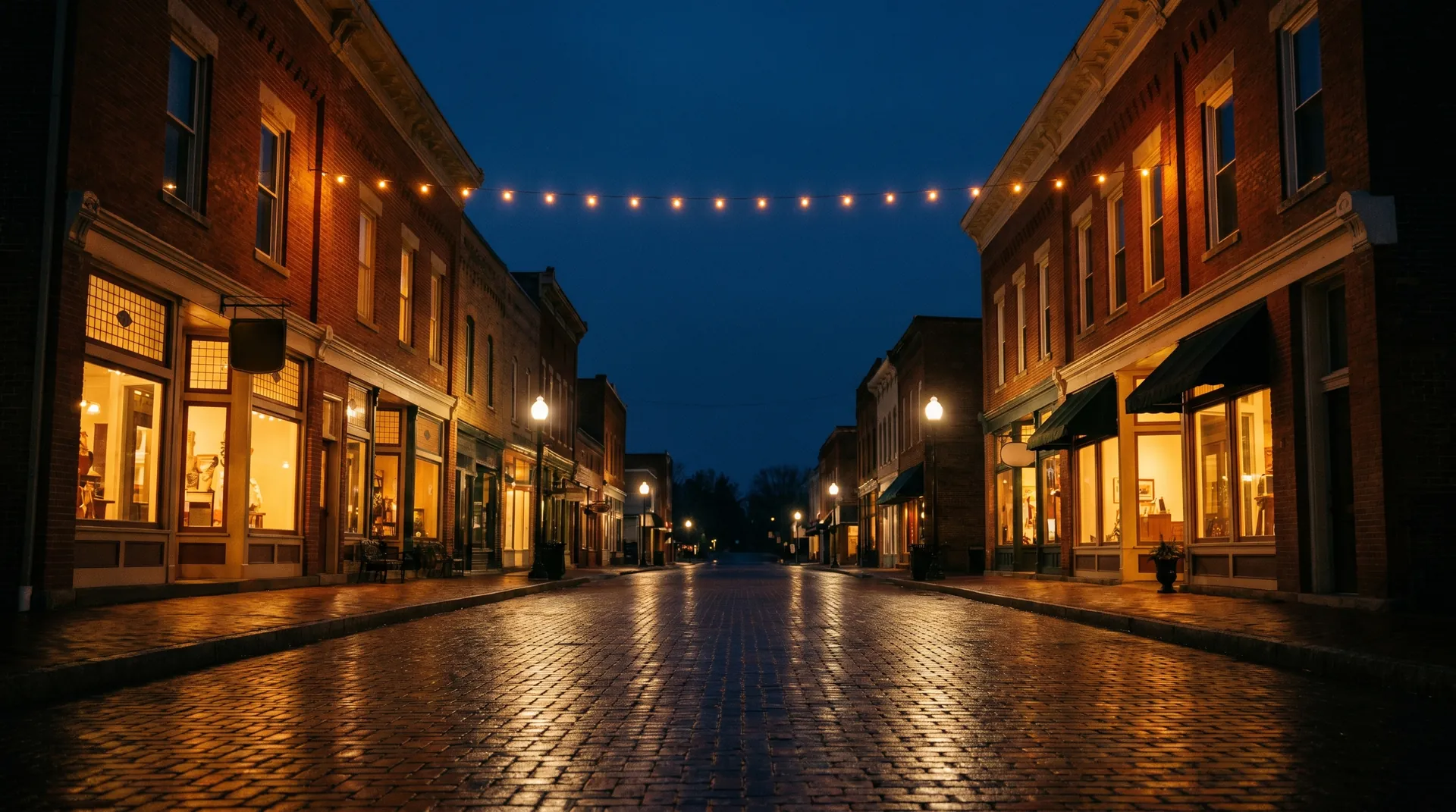
A single hero shot from a model is a demo. Twelve markets, eleven languages, three SKUs, four aspect ratios, and a 30-day testing pipeline — that's production. Most shops selling “AI creative” sell demos nobody knows how to turn into production.
What the workflow actually looks like
My creative pipeline runs in three layers: a brand-grounded setup that holds the visual system, a prompt-and-policy layer that enforces consistency, and a human review step that catches the things models can't catch yet.
The output isn't a single hero. It's a campaign with the structure already in place.
Every variant tagged, every market routed, every test pre-cued. That's what “at scale” means in practice — and it's why the turnaround drops from weeks to days without the quality dropping with it.

Writing about AI systems for founder-led businesses across NWA, the River Valley, and Eastern Oklahoma.

Your AI brain has a folder problem.
A client runs everything — several businesses, including a SaaS build — inside one AI “brain” vault. The AI kept ignoring the project's own rules, and everyone assumed the AI was the problem. It wasn't. The rules were never in the room. Here's what's actually happening, and what to do about it this week.

AI is a fire. Put it in the furnace, not the attic.
Two hypothetical plumbing businesses use the same AI tools. One puts repetitive work inside clear boundaries. The other lets a system make promises it cannot keep. The difference is where human judgment stays in charge.