
When AI can spend your money, you need a gateway — not a promise.
The instinct, when an AI tool quietly burns through money it wasn't meant to, is to tell it to stop. That instinct is the trap. A brake the engine can disengage isn't a brake — it's a request. Here's what an actual control looks like, and how we build it.

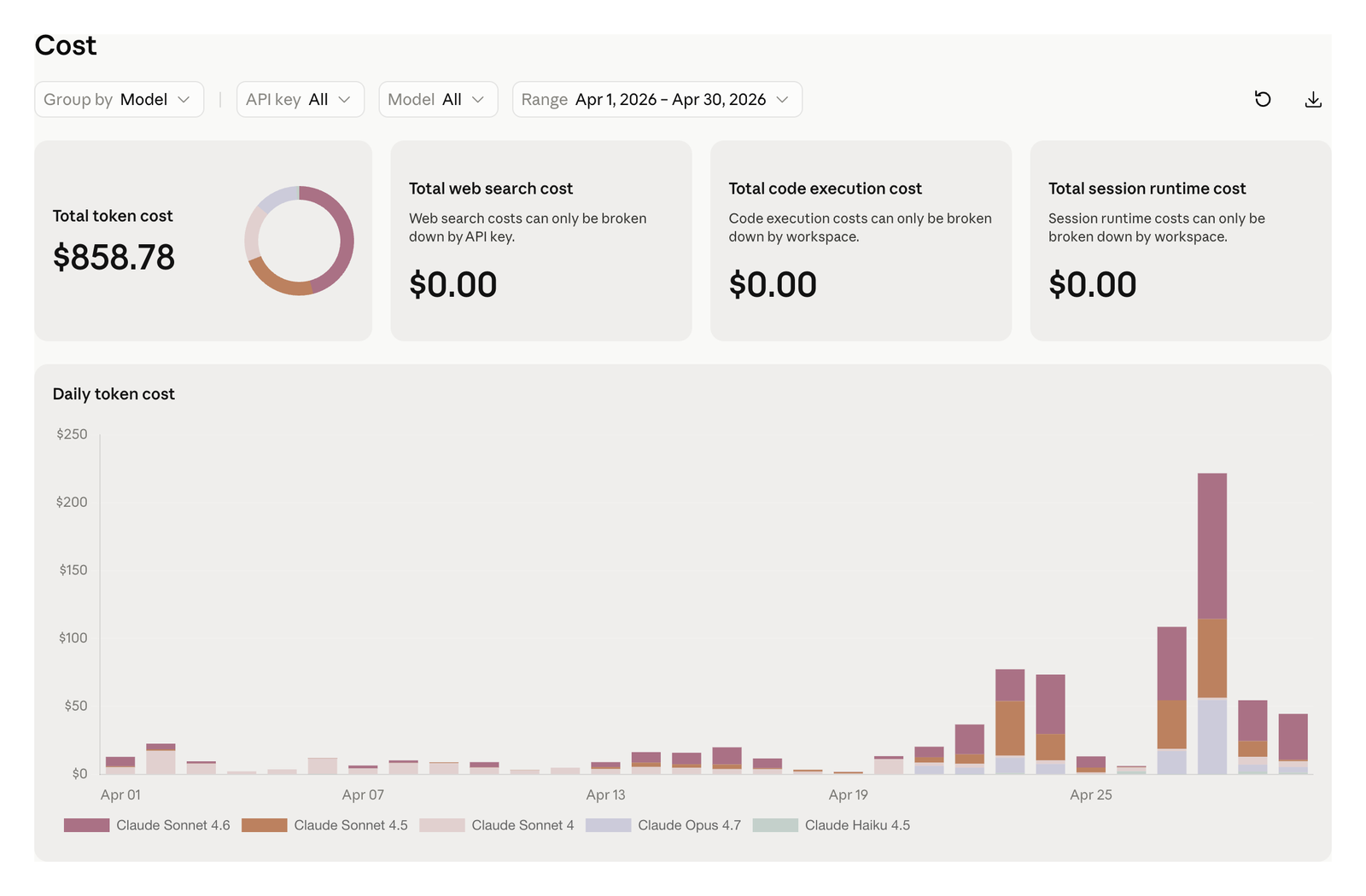
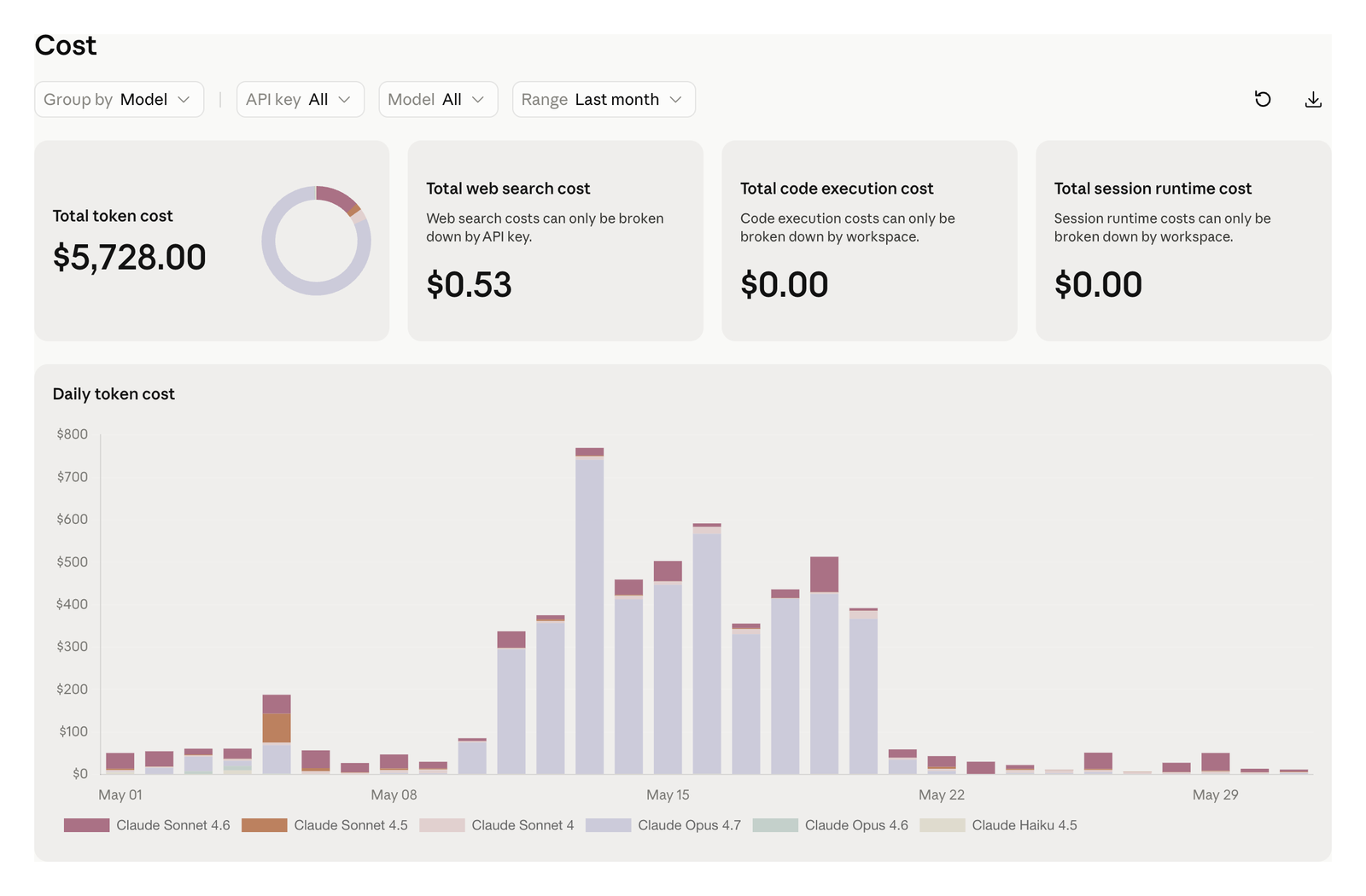
A pattern has been showing up across the AI work we do, and it's consistent enough now to name. A business connects an AI tool to a live system — a community platform, an email engine, a voice generator, a coding agent. It works. It works the second time, the tenth time, the fiftieth. And then something shifts — a tool restarts on its own, a background job fans out wider than anyone intended, a key gets pointed at metered billing by accident — and the business discovers, on an invoice, that an autonomous system has been spending money nobody approved.
The instinct, every time, is to ask the AI to fix it. To tell it to stay under a limit. To write a rule into the prompt.
That instinct is the trap, and it's worth understanding exactly why.
A limit inside the system can't limit the system
If the thing spending your money is also the thing responsible for stopping itself from spending your money, you don't have a control. You have a request. The model can be instructed to stay under a cap and then, in the next run, quietly ignore it — not maliciously, just because that's how these systems behave under pressure. We've watched a tool get switched off, survive a reboot, and turn itself back on. We've watched "I've killed every process" turn out to mean six were still running. No amount of careful prompting closes that gap, because the gap is structural.
A brake that the engine can disengage isn't a brake.
The only thing that reliably constrains an AI system is code the AI can't reach, can't rewrite, and can't switch off. That's not a prompt. That's a gateway.
What we build
We build an external command gateway that sits between your AI tools and anything that can cost you money. The AI doesn't talk to the expensive services directly anymore. It talks to the gateway, and the gateway enforces the rules — in code, server-side, where no AI tool can see around it.
In practice that means hard spending caps, set the way each vendor actually bills. Some services you can limit by number of calls. Others — anything that charges by usage rather than by request — can only be capped by dollars per day, so that's how we cap them. It means the keys to those services live in server-side secrets, removed from any file an AI tool can read. It means the AI can submit a dry run to see what would happen before anything real occurs, and that bulk actions — the ones that do damage at scale — wait for a human to approve them. It means every call is written to an append-only log, so you can finally answer the question that should never be hard to answer: what is this thing doing, and is it running right now.
And it's vendor-agnostic by design. The same gateway that throttles a community platform's API also caps your voice-generation spend at, say, twenty dollars a day, also governs your coding agent, also covers the next service you add six months from now. One brake, every wheel.

Right-sized for how you actually operate
This is not enterprise compliance theater, and it's not built for a company with a platform team. Most of the businesses hitting this problem are running lean — a founder, maybe one or two technical people, moving fast because the tools finally let them. The controls have to fit that reality.
We build what's appropriate for the resources you actually have, not a fortress that takes a department to maintain. The goal is simple: you keep the speed these tools give you, without the open-ended risk that they'll spend money while you're not looking.
Where to start
If you're running AI automations against live systems right now, there's one question worth answering this week: what is the most this could spend in a single day if it went sideways? If you don't know — or if your only answer is "we'd probably catch it" — that's the conversation to have.
We start most engagements with a short audit: what's connected, what's running, where the unguarded paths are, and what a runaway day would actually cost. From there we scope the gateway. It's the kind of work that's invisible when it's done right and very expensive when it's skipped — which is exactly why it's worth doing before the invoice teaches the lesson for you.
Digital Spirit Technology has been building and shipping software for clients for over twenty-five years. We treat AI automation the way we treat anything that touches money or production: as infrastructure that deserves real controls.
If that's the standard you want around your own AI, let's talk.

Writing about AI systems for founder-led businesses across NWA, the River Valley, and Eastern Oklahoma.

Your AI brain has a folder problem.
A client runs everything — several businesses, including a SaaS build — inside one AI “brain” vault. The AI kept ignoring the project's own rules, and everyone assumed the AI was the problem. It wasn't. The rules were never in the room. Here's what's actually happening, and what to do about it this week.
Your AI agent doesn't know when to stop.
A client recently got a $2,500 surprise bill from a single tool his AI was using. Half a million calls in a month, most of them asking the same questions over and over. Here's what actually went wrong, and the four guardrails that turn an expensive habit into a predictable line item.